Molting is a natural and necessary process for parrots, but it can be a challenging time. Old feathers are shed, new ones grow in, and your fids may feel itchy, tired, or a little cranky. Supporting your parrot during this period can make all the difference in their comfort and overall health.
Why BATHS are so important during molting
Bathing isn’t just about cleanliness. During a molt, it plays a direct role in feather health and comfort:
Loosens pin feathers: Moisture softens keratin sheaths, making preening easier.
Supports feather growth: Clean feathers grow stronger and smoother.
Reduces stress: Bathing is natural, calming, and comforting.
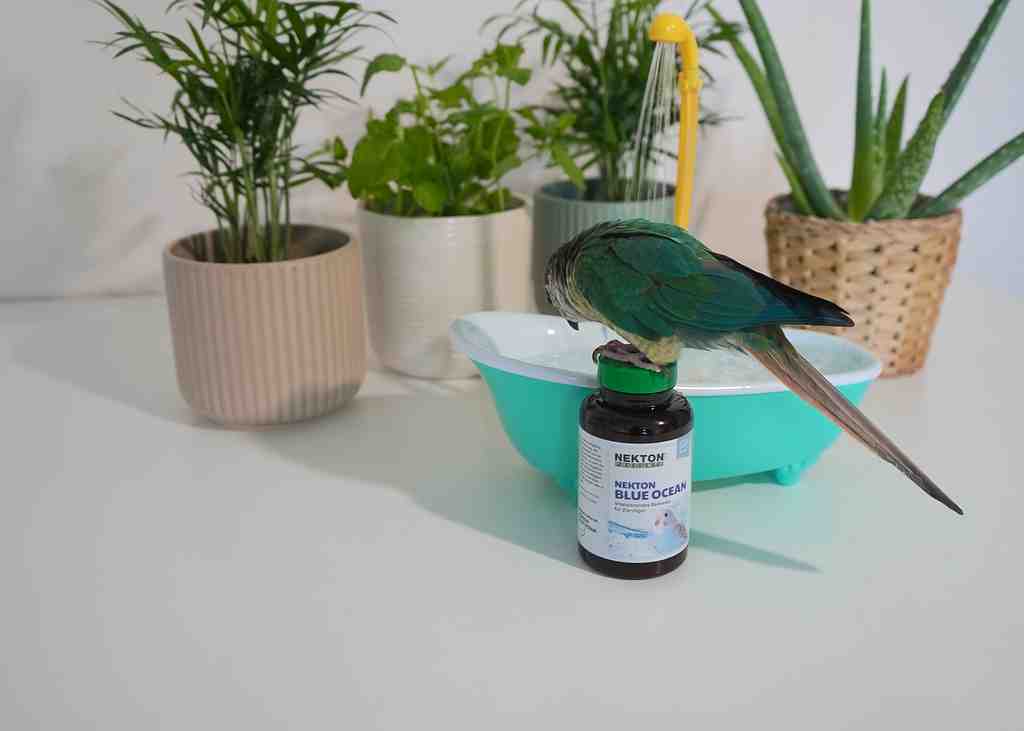
💡 Extra option: Some owners use Blue Ocean bath salts from NEKTON during molting to further soothe skin and support feather condition. If you try this, be cautious: rinse your parrot afterward if they’re likely to preen themselves, and never allow them to ingest the salts. A safer alternative is to mix the solution in a mist bottle and spray only in a designated bathing area—this prevents residue from landing on toys, perches, or food dishes.
from NEKTON
Nutrition: fueling feather growth
Feathers are made mostly of protein, so your parrot’s diet needs a boost during molting. Think of it like building blocks for their new plumage.
Increase protein intake: Offer high-quality pellets, cooked eggs, legumes, and nuts to supply the resources needed for feather growth.
Ensure adequate nutrition: Add vitamin A-rich foods like sweet potatoes, carrots, and leafy greens to support skin and feather health.
Hydration: Fresh water is always important, especially now, to support feather and skin health.
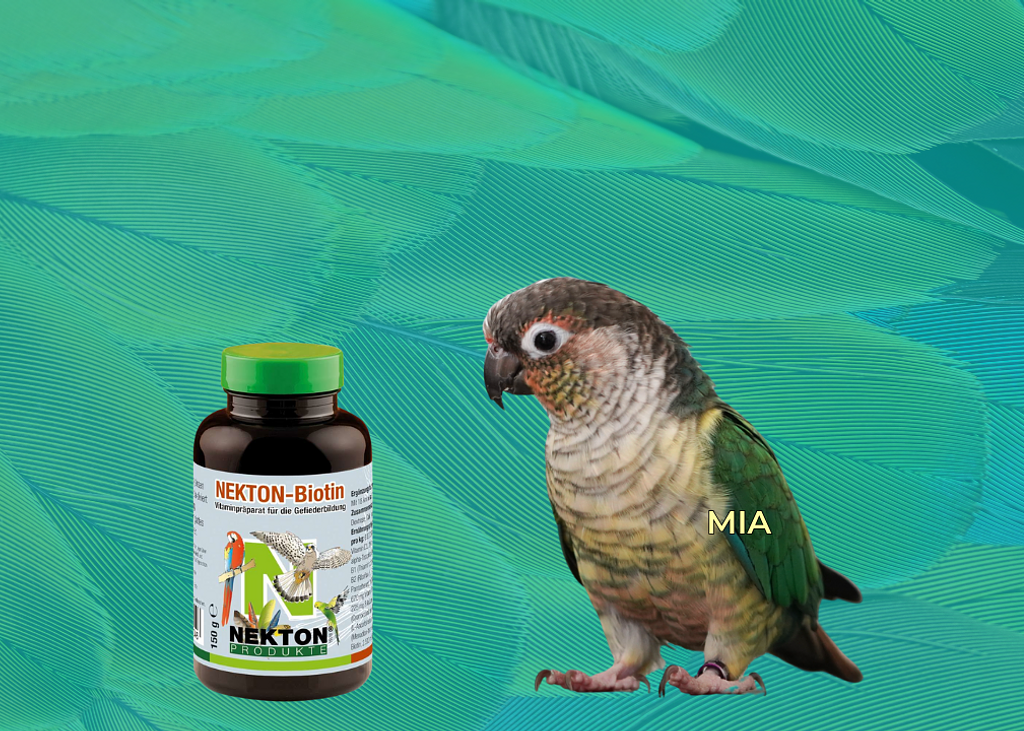
Supplements: Adding a biotin supplement, such as NEKTON-Biotin, a few times per week during molting can promote strong, vibrant regrowth. You can also discuss a general vitamin supplement with your vet if needed.
Environmental comfort
Your parrot’s surroundings play a big role in how they cope with molting:
Boost humidity levels: Use a humidifier or place water bowls near the cage to help soften pin feathers and reduce itching.
Provide gentle misting: Spray your parrot with lukewarm water to aid pin feather development and skin comfort - if they like it; not all birds like being misted, and some love it!
Warmth: Missing feathers can leave your bird a bit chilly, so keep them away from drafts and maintain a good temperature at home for them.
Maintain a clean environment: Molting creates extra feather dust and debris, so clean the cage more frequently to prevent bacteria buildup.
Sunlight & UV support: Safe exposure to natural sunlight or a bird-safe UV lamp helps parrots synthesize vitamin D3, which is vital for calcium absorption, strong bones, and healthy feather growth. Glass windows block UV, so direct sun (in a secure setting) or a proper avian UV lamp is best.
🌞 Why sunshine (or UV lamps) helps during a molt:
Vitamin D3 synthesis: Parrots need natural UVB light to produce vitamin D3, which is essential for calcium absorption, strong bones, and healthy feather growth.
Feather condition: Sunlight helps oils from the uropygial (preen) gland spread properly, improving feather strength and shine.
Mood & behaviour: Natural light supports circadian rhythms, reduces stress, and boosts overall well-being—especially valuable during a taxing molt.
🌤 How to provide it safely:
Outdoor time: Supervised time in a secure outdoor aviary or harness is ideal. Be mindful of outdoor temperatures, though!
UV bird-safe lamps: If outdoor time isn’t possible, use an avian-safe full-spectrum UV lamp. Place it at the correct distance per manufacturer guidelines and limit exposure to a few hours daily.
Rest and stress reduction
Growing feathers also takes a lot of energy, so your parrot may need extra downtime during a molt.
Proper rest time: Aim for 12 hours of quiet, dark sleep to support feather growth and recovery. Let them nap and rest during the day as well. Mia takes more naps during molting.
Minimize stress: Keep routines consistent, reduce loud noises, play calming music and avoid major changes in their environment/routine.
Be patient with behaviour changes: Molting can make parrots irritable. This is normal and usually resolves as the molt ends.
Preening support
Help with preening: Pin feathers can be uncomfortable, especially on the head and neck, where parrots can’t reach themselves. If your bird is comfortable with handling, you can gently scritch these areas to help, but never force it. If your parrot is a solo bird, they will need this help from the parronts! :) Make sure you only preen ready pins!
Pin feathers start out looking like little spikes or quills with a white or grayish keratin sheath.
When they’re ready to be preened:
The tips will look flaky or powdery as the sheath begins to break down.
They feel softer and crumbly rather than hard and sharp.
Your parrot may lean into your fingers, inviting gentle scratching in those areas.
👉 If the pin feather still looks like there is a blood supply, shiny, tight, and smooth, it’s not ready yet and can be painful or sensitive to the touch.
Encourage natural preening: Frequent baths and misting help your parrot manage pin feathers on their own. You can let them air dry, and using a bird-safe UV lamp is a great idea as well!
What to watch for...
Molting should be a gradual, balanced process. Keep an eye out for signs that something isn’t right:
Excessive feather plucking
Bleeding pin feathers
Bald patches or uneven loss
Signs of infection (redness, swelling, discharge)
If you notice any of these issues, contact your avian vet for guidance asap.
With patience and care, you can turn what’s often a stressful time into an opportunity to strengthen your bond and ensure your parrot’s long-term health.
.png)

.png)